




Saudi Arabia has shut down its East-West pipeline after the vital oil conduit came under aerial attack in the widening Middle East war, threatening to send energy prices even higher.
The world’s largest crude oil exporter temporarily closed the pipeline after a drone attack that both Baghdad and Riyadh said had originated in Iraq, where Iranian-backed militias operate. Iraq dismissed a military commander on Saturday in response to the attack.
The 1,200-km (745-mile) pipeline running across the Arabian Peninsula had helped Saudi Arabia to bypass a shipping logjam in the Strait of Hormuz, where tanker traffic has slowed to a trickle due to the six-month war between the U.S. and Iran.
The Saudi Energy Ministry said it had shut the pipeline as a precaution. The line has been moving 4 million to 5 million barrels per day in recent months, amounting to 4% to 5% of global supply.
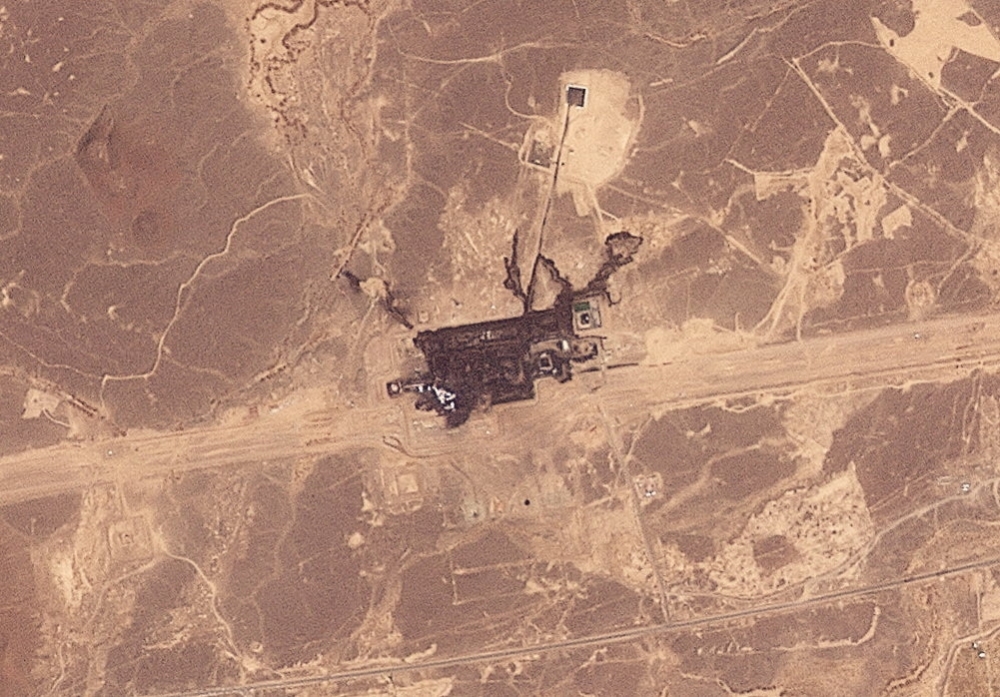
There was no immediate claim of responsibility for the strikes. Satellite images showed black smoke rising from an area of the pipeline south of Medina.
The attack resulted in some injuries and damage that was being assessed, the Saudi Foreign Ministry said without detailing the impact on exports.
U.S. President Donald Trump, visiting Ireland to attend a golf tournament at one of his resorts, said Iran was probably to blame for the attack. The war he launched six months ago would probably end shortly after the U.S. midterm elections in November, when oil prices would "come tumbling down", he added.
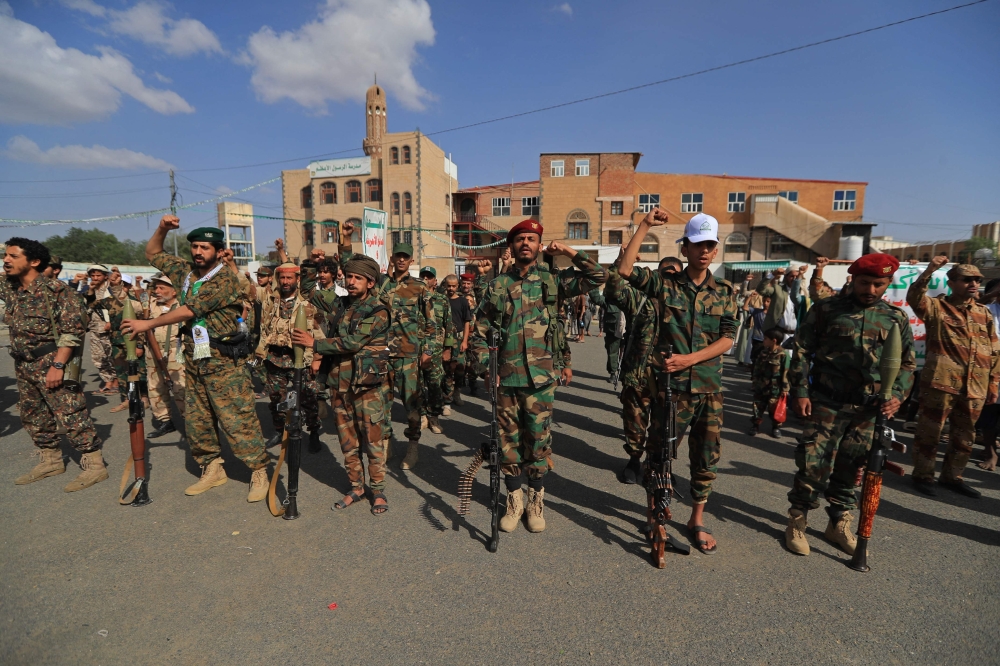
Oil prices shot up over the past week and the retail price of diesel in the United States surged past a record $6 a gallon for the first time, as the United States and Iran both fired on tankers in the Gulf and the Ansar Allah in Yemen tightened their grip in the Red Sea.
TRUMP CONFIRMS HE SPOKE TO SAUDI LEADER
Four Yemeni government sources told Reuters that the Ansar Allah had seized the strategic island of Perim on Friday at the mouth of the Red Sea, in the Bab el-Mandeb strait.
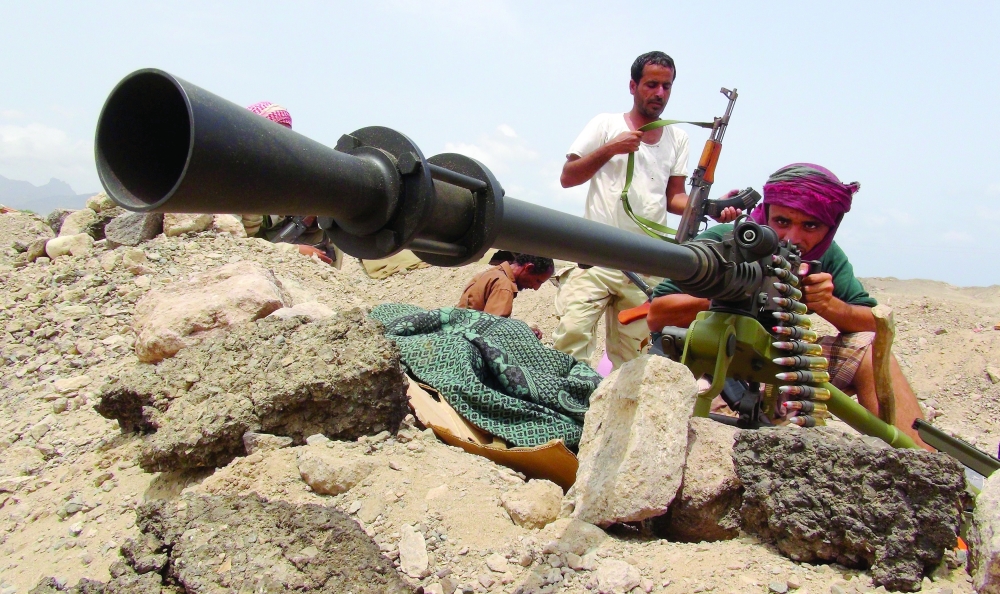
Saudi Arabia's de facto ruler, Crown Prince Mohammed bin Salman, phoned Trump last week and asked for U.S. military help fighting the Houthis, two sources told Reuters. He was told Washington would not intervene directly for now but would help with intelligence, the sources said.
Trump confirmed on Saturday that he had spoken to the crown prince and said the Ansar Allah had also phoned his administration and asked for Washington not to become directly involved in the conflict.
The dual attacks reported on Friday - on the pipeline and Perim Island - could represent a dangerous escalation while diplomatic efforts to end the war have stalled. Saudi crude pumped through the pipeline to the Red Sea has been the main alternative source of Middle East oil while access to the Gulf has been cut off throughout the war.
In a post on X on Saturday, Ebrahim Azizi, head of the Iranian parliament's national security committee, said: "As long as the American side does not accept all of Iran's conditions, dialogue and negotiation are of no use."
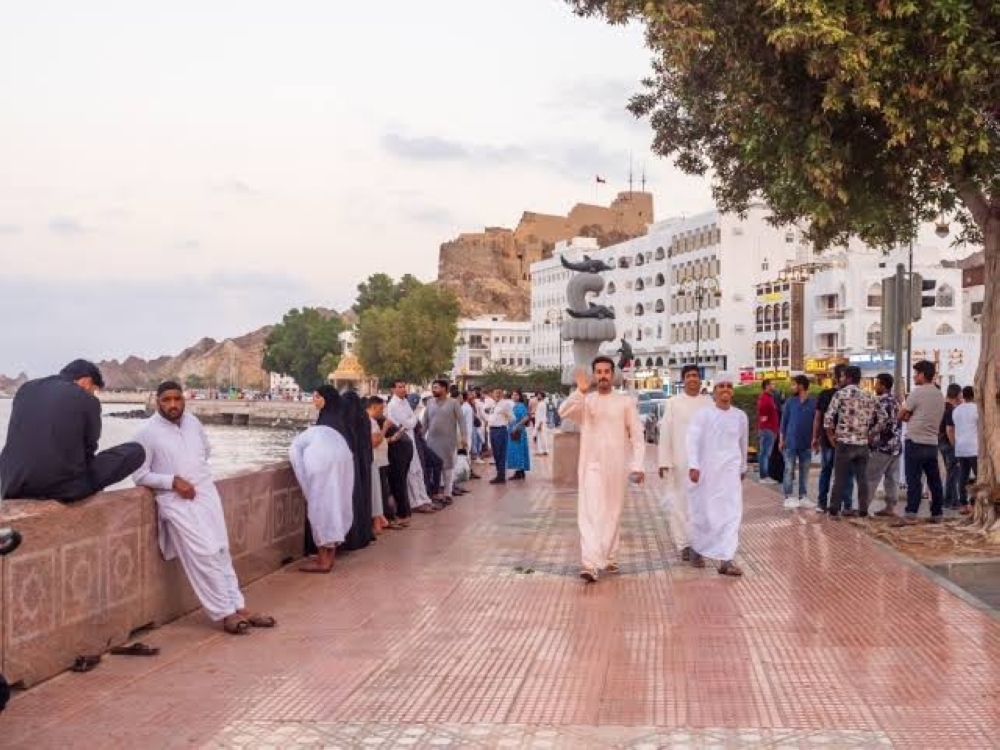
Iran wants its control of the Strait of Hormuz to be recognised, allowing it to collect fees from ships that use it, which Washington rejects. The Iranian foreign ministry said on Friday that Iran would meet with Gulf states in Oman on Monday to discuss the strait. Oman has yet to publicly confirm such a meeting.
The dismissed Iraqi military commander had led operations in Maysan province, according to Saturday's statement by the Iraqi prime minister's office.
Saudi Arabia has opted against retaliation so far, following a request from the Iraqi prime minister, the Saudi Foreign Ministry said in a statement, though adding that the kingdom reserves the right to "take all measures necessary" to protect its interests. Iraq's government condemned the attacks.
Iraq ordered the closure of the Shalamcheh border crossing with Iran as a precautionary measure, two security sources told Reuters. The crossing serves as one of the main routes for the import to Iraq of vegetables and other food supplies from Iran.
The two sources said a wide-scale operation was under way to find those responsible for the pipeline attack.
coast came with direct guidance from Iran's Revolutionary Guards.
Oman Observer is now on the WhatsApp channel. Click here